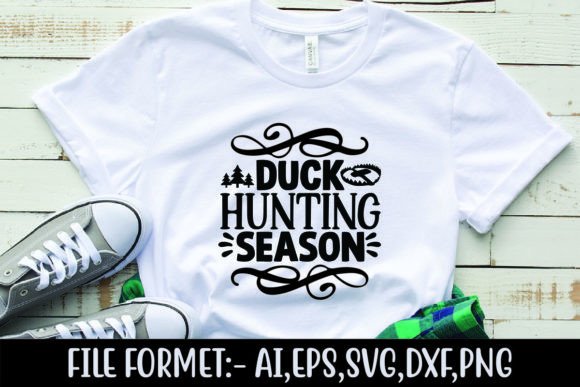
Duck Hunting Season Graphics for T-Shirt Designs
As a digital publisher who has spent over a decade refining the visual identity of content-heavy websites, I have learned that the difference between a scroll-past and a click-through often comes down to split-second visual recognition. When I first loaded the Duck Hunting Season asset into my design workflow, my immediate reaction was one of relief. In a market saturated with generic, low-resolution clip art, finding a graphic design asset that balances rustic charm with professional polish is rare. This collection does not just look like a hobbyist’s sketch; it looks like a finished product ready for commercial deployment.
The aesthetic mood here is distinctly seasonal and lifestyle-focused. It evokes the crisp air of autumn mornings and the camaraderie of outdoor sports, making it an ideal fit for niches ranging from hunting blogs and outdoor gear reviews to family-oriented lifestyle publications. For bloggers and affiliate marketers, this visual tone builds instant trust because it feels authentic rather than manufactured. It supports content that needs to appear grounded, traditional, and bold.
Integrating the Asset into Real Publishing Workflows
Let us discuss how this fits into an actual editorial calendar. I recently tested these files while preparing a series of Pinterest pins and article headers for a client in the outdoor recreation niche. The versatility of the file formats meant I did need to rely on multiple tools. Having access to Ai, EPS, SVG, DXF, PNG, and JPG files at 300 dpi high resolution allowed me to move seamlessly from web display to print-ready downloads.
For website headers and hero images, the transparent backgrounds were a lifesaver. I could layer the graphics over textured paper backgrounds or solid brand colors without fighting white halos or jagged edges. This level of clean integration is crucial for maintaining a modern design standard. Whether you are creating a newsletter banner for a weekly outdoor digest or a category thumbnail for your blog’s archive page, the clarity of the lines ensures that the subject matter remains the focal point.
Beyond standard blog graphics, this asset shines in the creation of digital products. If you are an online educator or a creative entrepreneur selling digital guides, worksheets, or eBooks, these illustrations add significant perceived value. Imagine a printable checklist for hunting safety or a seasonal meal planner featuring these motifs. The 100 editable files mean you can tweak elements to match your specific brand identity, ensuring that your lead magnets feel custom-made rather than templated.
Enhancing Visual Hierarchy and Click-Through Rates
In content marketing, visual hierarchy dictates how a reader consumes information. A strong graphic anchors the eye. When I placed the Duck Hunting Season illustration beside a bold sans serif headline, the contrast created a dynamic entry point for the reader. The detailed linework of the duck contrasts beautifully with clean typography, guiding the eye from the image to the title and finally to the call-to-action button.
This improvement in visual communication directly impacts performance metrics. Stronger first impressions lead to lower bounce rates. When a visitor lands on a page and sees high-quality, relevant imagery, their trust in the content increases. This is particularly vital for affiliate marketing, where credibility is the currency. If your site looks polished and professional, readers are more likely to click on your recommended gear links. The consistent use of these design assets across social media graphics and on-site banners reinforces brand recognition, making your content instantly identifiable in a crowded feed.
Strategic Placement and Use Cases
While this asset is versatile, strategic placement is key to maximizing its impact. Here is where I found it worked best:
- Pinterest Pins: The vertical adaptability of the SVG and PNG files makes them perfect for long-form pins. The intricate details hold up well even when scaled down for mobile viewing.
- Article Thumbnails: On blog archive pages, these graphics provide a cohesive look that ties disparate articles together under a unified visual theme.
- Newsletter Headers: Using the graphic as a header element in email campaigns adds a touch of personality that plain text lacks, increasing open and engagement rates.
- Printable Design Products: Because the files are 300 dpi, they are print-ready. You can confidently use them for physical merchandise, posters, or high-quality printable wall art.
- Social Media Previews: When sharing links on Facebook or Twitter, the featured image is the first thing users see. A compelling graphic here drives higher click-throughs from social platforms.
However, there are contexts where you should use this asset carefully. Avoid placing it on busy, cluttered backgrounds where the detailed linework might get lost. It is also less suitable for corporate, tech-focused, or strictly minimalistic niches where such illustrative styles might feel out of place. Additionally, be mindful of small mobile thumbnails; ensure that the core subject of the graphic is large enough to be recognized at a glance.
Technical Notes for Designers and Publishers
From a technical standpoint, the quality of the deliverables is impressive. You receive 100 color-changeable options, which is a massive time-saver for small business branding. Instead of manually recoloring vectors in Illustrator, you can select a preset that matches your seasonal campaign palette. The inclusion of DXF files also opens up possibilities for crafters using cutting machines, expanding your potential audience if you are selling physical goods.
Before deploying any new graphic design asset, I always run a series of checks. First, test the contrast. Place the graphic against both light and dark backgrounds to ensure visibility. Second, check readability when paired with different font styles. I found that this particular design pairs exceptionally well with rugged slab serifs and clean handwritten fonts, but it can also support playful script fonts if you are aiming for a softer, more decorative look.
File size is another critical factor for web design. While the source files are high resolution, always compress your PNG and JPG exports for web use to maintain fast load times. Slow pages kill conversion rates. Finally, always confirm the commercial license terms. This asset comes with instructions that clarify usage rights, which is essential for monetized websites, affiliate pages, and paid content products. Knowing you have the legal right to use these graphics in commercial design protects your business and gives you peace of mind.
In conclusion, Duck Hunting Season is more than just a collection of images; it is a toolkit for enhancing your digital presence. Whether you are designing T-Shirt Designs for an e-commerce store, creating engaging blog graphics, or building a cohesive brand identity for a new venture, these files provide the flexibility and quality needed for professional results. By integrating such high-caliber design assets into your content strategy, you elevate the perceived value of your work and create a more engaging experience for your audience.